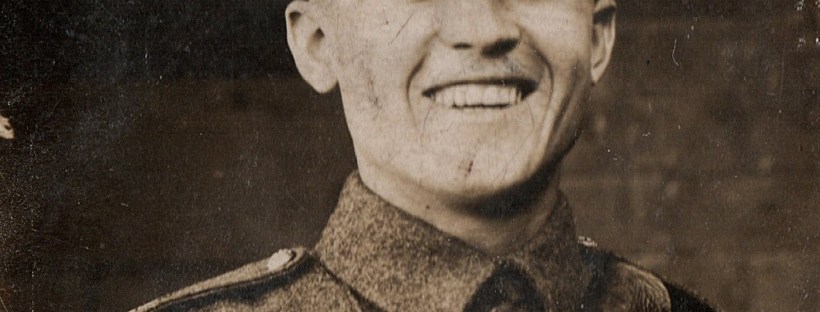
I’ve been thinking about my grandad’s brother, Lawrence Scott, as the anniversary of the Dunkirk evacuation has approached. A Corporal in the Royal Corps of Signals, in May 1940 he spent sixty hours waiting to be lifted off the beach at Bray-Dunes, to the east of Dunkirk.
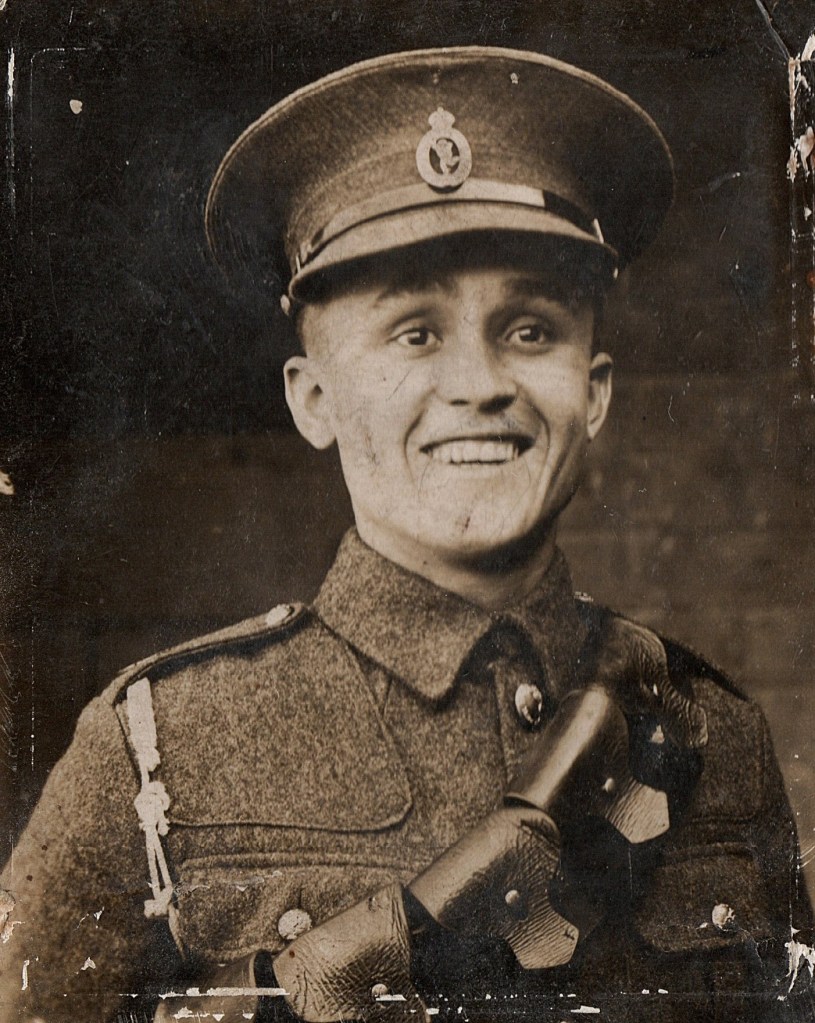
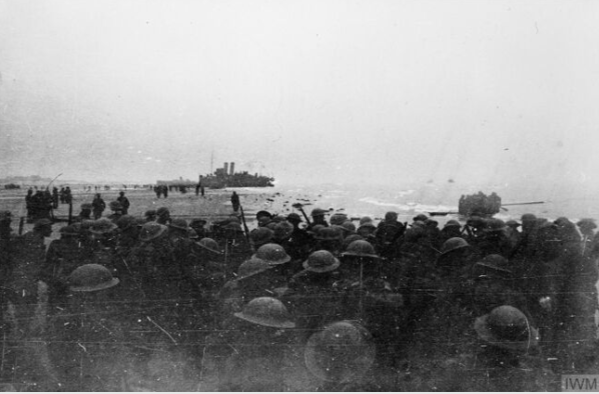
Eventually, on the 28th May, Lawrence got a place on a rowing boat heading out to HMS Grafton, which was moored off-shore. Troops were stowed as low as possible in the ship, all engine and boiler rooms were filled, and just after midnight they finally embarked. But at 2.50am, as Grafton joined other vessels searching for survivors from the sinking of HMS Wakeful, two torpedoes slammed into its side.
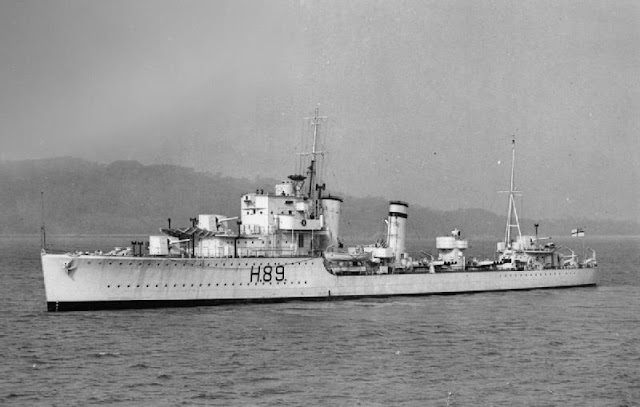
Tom Perrin, also on board, described the event (‘Tom Perrin’s Dunkirk: 9th Army Field Workshop, RAOC’, BBC WW2 People’s War):
‘We lay, wallowing in the channel swell praying that the bulkheads would hold. If they had gone there would have been few survivors for there were no life jackets and most of the lifeboats and rafts had been damaged in the explosions. Everyone was ordered to keep still and to keep silent. I still remember the eerie silence, 1400 men making no sound, only the slap, slap as small waves lapped against the ship. There seemed to be two options now, either the-E boats came back and finished us off, or rescue. Which would be first?’
Mercifully, a cross channel steamer, the S.S.Malines, appeared out of the morning mist and tied up alongside HMS Grafton. In single file, men crossed from the bridge to the deck of the steamer.
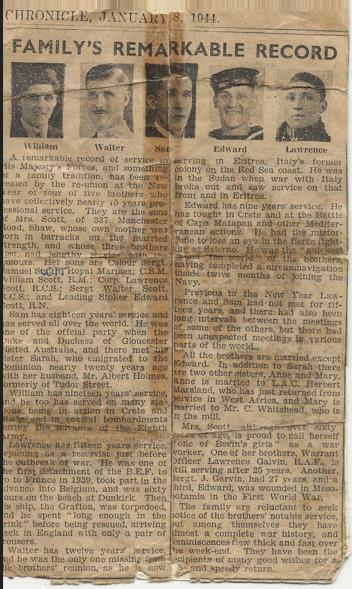
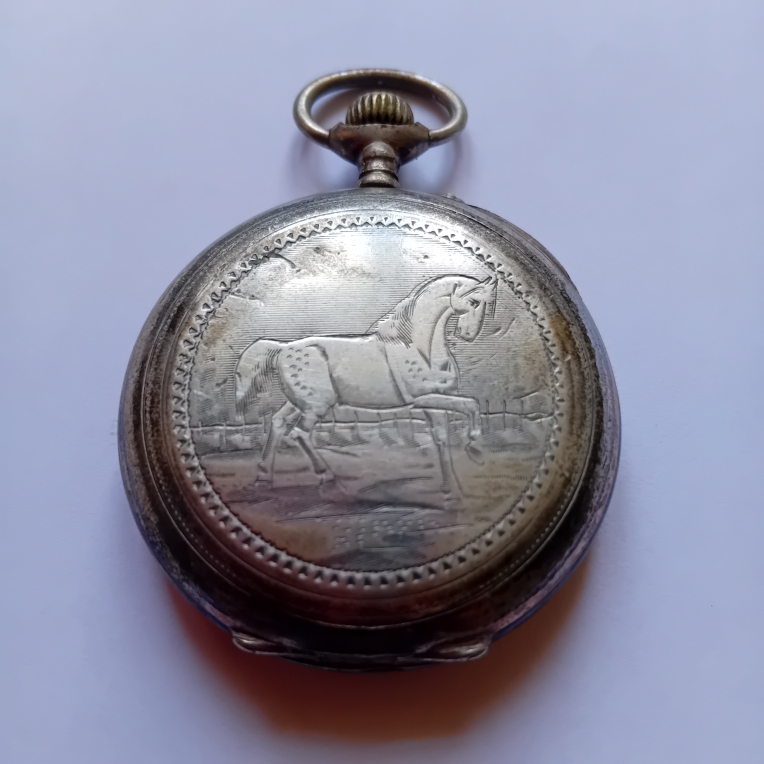
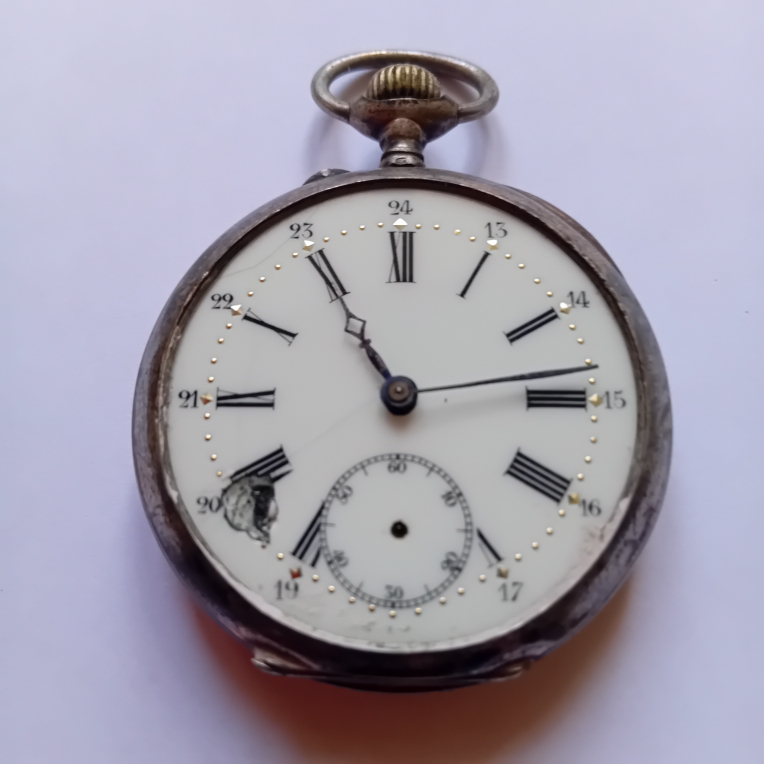
Lawrence spoke to his local paper, The Oldham Chronical, in 1944 and told the reporter that he’d spent “long enough in the drink”. By the time he landed in Dover, he’d lost all his kit and was only wearing his trousers. But in his pocket was a German watch, picked up somewhere in France, which he gave to my grandad (and which he subsequently left to me – as a child, I was told that the damage to its face was from shrapnel… but that might just have been a good yarn).
I don’t know much about Lawrence’s experience in France and Belgium with the BEF, but I’ve ordered his service records this week and hope to discover more.